A life insurance claim for an overseas death includes official paperwork, funeral photos, and video footage. Here's how claims examiners spot high-level fraud when the documentation looks completely convincing.
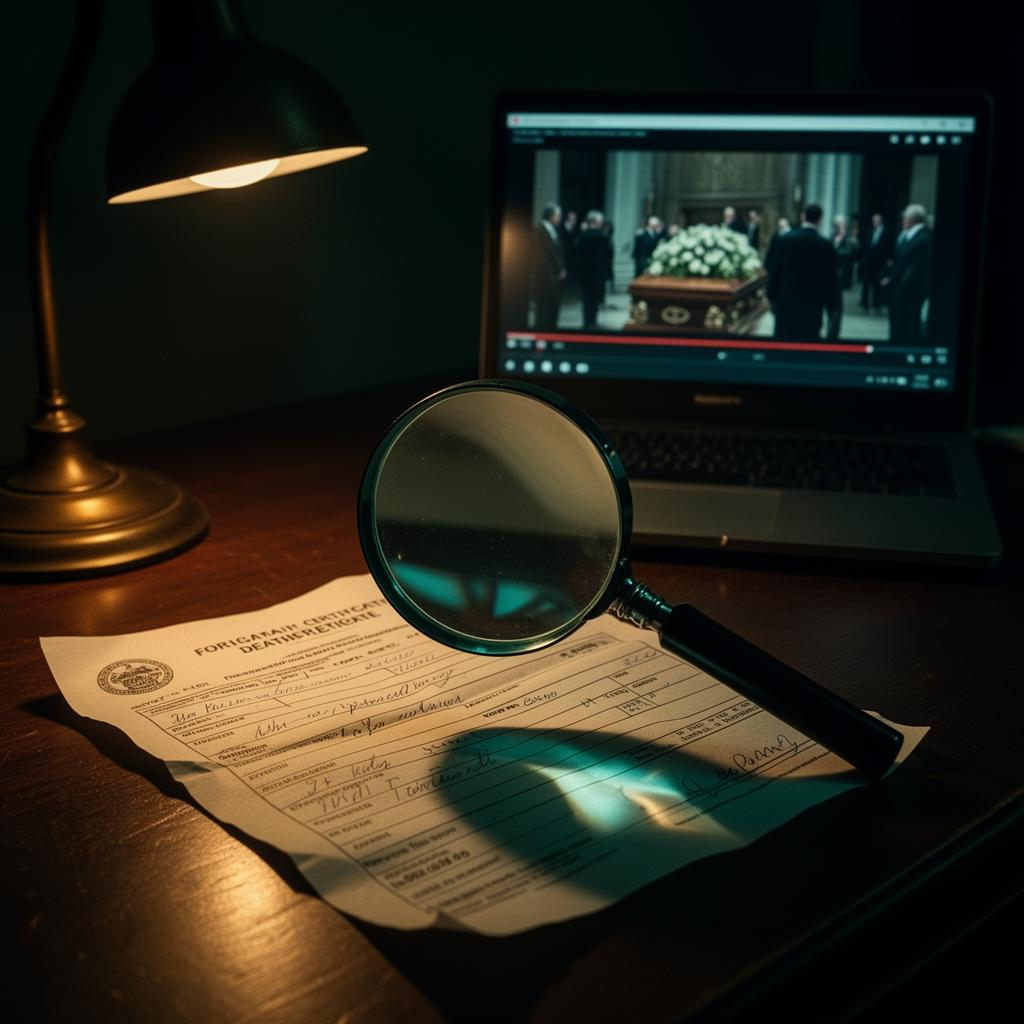
A beneficiary filed a life insurance claim following a reported death overseas. The submission seemed open-and-shut, arriving with a stack of documentation that appeared entirely legitimate. There was an official death certificate, photos from the funeral, and even a full video recording of the memorial service.
On the surface, it looked as convincing as any claim file could be. But when the examiner started looking closer at the details, things began to fall apart.
In certain international jurisdictions, obtaining official documentation isn't always a guarantee that a death actually occurred. When local administrative controls are weak, claims teams are forced to look far beyond stamped paperwork, often relying on local interviews, funeral home verifications, and on-the-ground investigative partners.
In this case, it was the video evidence that ultimately blew the scheme wide open. The memorial recording ran just a few seconds too long. Right after the solemn service appeared to conclude, the supposedly deceased individual stood up, walked over to the camera, and turned off the recording. In other similar foreign death investigations, examiners have caught subtle inconsistencies like unexpected movement or timing mismatches that routine paperwork alone would have hidden.
Claims work is about evaluating credibility, not just checking off items on a list. Sophisticated fraud often arrives wrapped in seemingly perfect paperwork, which means examiners have to trust their instincts and look closer to make sure every payout is legitimate.