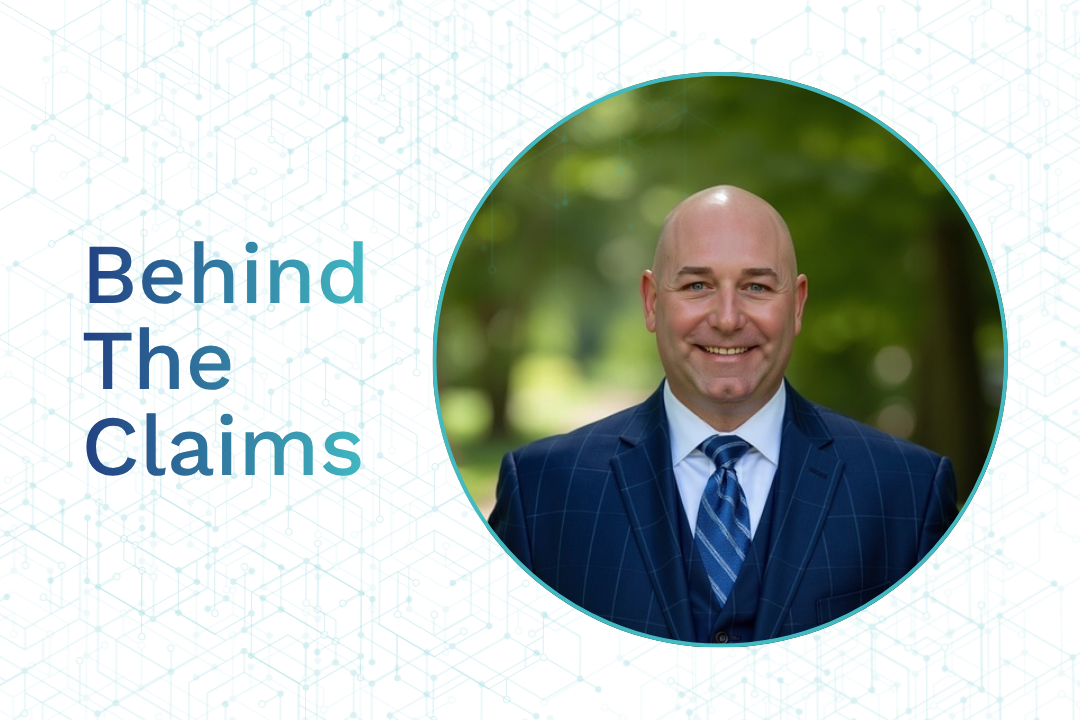
Brent Williams didn’t start his career processing claims. In fact, his path into claims started on the other side of the insurance promise. As a financial advisor, Brent spent years helping clients put plans in place to protect their families. Then he saw firsthand what could happen when it came time for those benefits to be paid. One particularly difficult claim sent him down a path of more than three years of research and conversations with nearly 150 claims and servicing professionals.
Those conversations ultimately shaped Benekiva, but they also shaped the way Brent thinks about insurance, technology, leadership, and the people doing the work every day.
For this edition of Behind the Claims, we sat down with Brent to talk about how he found his way into claims, what claims professionals taught him, and why he still believes the claim experience should be one of the best experiences an insurance carrier delivers.
I came into insurance through the financial advisory side of the business. Even then, I never really looked at what we were doing as selling products. I looked at insurance, investments, annuities and all of those things as financial tools. The question was always: What is this person trying to accomplish, and what tools are going to help them get there?
Life insurance is a good example. Nobody buys a life insurance policy because they hope to use it. They buy it because of what it will do for the people they care about if something happens. You’re really selling a promise that the benefit is going to be there when it is needed. That perspective is ultimately what pulled me into claims.
Absolutely. I had a family I worked with where the father passed away unexpectedly. We had planned well. There were multiple accounts and policies across several companies, and I remember telling the family not to worry. We had done the planning, and the money was there. We would start the process and get everything taken care of.
It took nine months before all of the money was finally where it needed to be. That bothered me. I’d spent my career sitting across the table from people telling them, “We’re putting this in place so your family will be taken care of.” And yet, when push came to shove, that promise wasn’t delivered the way it should’ve been. That was the beginning for me.
Not at all. My original goal was much simpler. I wanted to figure out which insurance companies paid claims the fastest. I figured if one company could consistently deliver a better experience, I would move more of my advisory business there. If a policy cost a couple dollars more but I knew the family was going to have a much better experience when they actually needed it, I could explain that value to a client.
So I started calling carriers and talking with claims people. I found myself asking, “why?” over and over again about why things took long, or had to be done manually across multiple systems. That research went on for more than three years with conversations with more than 150 claims and servicing professionals. At some point the question changed from, “Who does this best?” to, “Why does everybody seem to be dealing with some version of the same problems?” As those conversations began to shift, the idea of Benekiva started turning in my brain.
Probably just how much work happens behind the scenes that nobody else sees. When you’re the agent, advisor or beneficiary, you see your piece of the process: the submissions and maybe a few phone calls while you wait for an answer.
You don’t necessarily see the examiner moving between systems, rekeying information, calculating something in a spreadsheet, chasing documents, checking requirements, generating correspondence and trying to keep dozens of claims moving at the same time.
One of the things I heard was that claims professionals sometimes didn’t have enough time to spend with the people they really wanted to help because so much of their day was being consumed by administrative work. That stuck with me. Examiners wanted to help people as quickly as possible, and it gave me a core belief that the goal shouldn’t be to take the human out of claims. It should be to take work away from the human that never needed a human in the first place.
I think it’s really hard to understand claims until you’ve actually seen the process. I’ve challenged insurance executives for years to go sit with a claims examiner for a day. Don’t just look at a PowerPoint about the process, but rather, sit beside the person doing it. And if you can’t do that, create a test policy and process a claim yourself. Click every button and follow every step. I think you’ll start asking questions pretty quickly.
Manual elements can look small on a process map, but when somebody has to do them hundreds or thousands of times, they’re not small anymore. Claims teams usually know exactly where that friction is because they live with it every day.
There are several, but one goes all the way back to my advisory days. I worked with a woman who had a term life insurance policy that included an accelerated death benefit. A few years after we put the policy in place, she was diagnosed with terminal cancer. Because of that benefit, she was able to access a portion of the policy while she was still alive.
She found treatment she wanted to pursue that was expensive and wasn’t covered by her health insurance. The accelerated benefit gave her the financial ability to pursue it. Ultimately, that treatment saved her life, and she and I still talk to this day.
A claim isn’t a workflow or a transaction number. There’s a person on the other side of it, and that benefit can completely change the options available to them. That’s what insurance is supposed to do.
Yes, definitely. There was a point as we moved from being a startup into more of a scale-up where I realized something pretty simple: technology people can build great technology, but if they’ve never processed a claim, there are things they’re never going to see the same way a claims professional does.
We needed more people who had actually done the job helping shape what we were building. Today, having former claims professionals directly involved in product decisions gives us a perspective we simply wouldn’t have otherwise. And I think that applies beyond Benekiva. The people doing the work should have a voice in the technology they are going to be asked to use every day.
Unnecessary manual work I know that’s broad, but there’s so much of it: rekeying information, moving between systems, looking up rates, doing calculations in spreadsheets, chasing information, sending a letter because something came in incorrectly.
None of those things require the judgment and empathy of an experienced claims professional, and that’s where technology should help. Let the system do what a system can do so the person has more time for the things that actually require a person.
I’ve had the same vision for a long time. I believe there will eventually be situations where a person doesn’t really have to “file a claim” the way we think about filing one today. We have more data available than ever before, better rules engines, AI, and the ability to verify events and connect information in ways we couldn’t before.
So if the carrier knows a covered event happened, knows a benefit is due and has everything required to make that decision, why should we make a grieving family figure out how to start a process the carrier already knows needs to happen?
There are obviously controls, regulations and safeguards that have to be part of that, but I think that’s where we should be pushing. To me, the best claims experience is one where we remove as much burden as possible from both sides. That’s been the goal from the beginning.
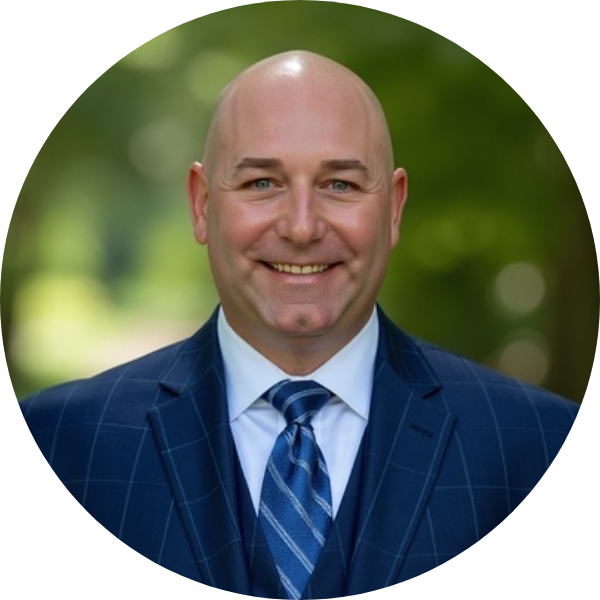
Brent Williams is the Founder and CEO of Benekiva, a technology platform transforming how insurers manage claims and policy servicing. A longtime advocate for modernization in life and annuity insurance, Brent speaks frequently on digital transformation, AI readiness, and the future of the claims experience.
With more than two decades in financial services and insurance, Brent brings a unique perspective shaped by his experience as a financial advisor, entrepreneur, educator, and operator. His work centers on helping insurers modernize legacy processes while keeping a beneficiary-first mindset at the heart of the claims journey.